

Title design for film, TV and streaming
Viewers don’t rewind.
Every date, every map and every piece of evidence has to land first time. Title sequences, credits, timelines and animated documents for series and documentaries. For Fremantle and Amazon Studios, from the first moodboard to the last caption.
Who we’ve worked with








In short
What is title design?
Title design is the on-screen graphic design of a series, film or documentary: the title sequence, the credits, captions, maps, timelines and animated documents. It gives the work its identity and helps viewers follow the story without them noticing.
In a documentary series, graphics put dates, names and evidence in order; in drama, the title sequence sets the tone before the first scene.
What graphics do for a series or documentary
They make a complicated story easy to follow and give it an identity of its own. Two real projects.
 01
A visual language for a documentary thriller
For Fremantle and Amazon Studios, the visual world of Infiltrada en el Búnker, a documentary thriller about an undercover investigation: inserts and graphics that carry the narrative, from the first moodboards to the final style.
Infiltrada en el BúnkerFremantle · Amazon Studios
View the case study 02
A new graphic identity for a new season
For Fremantle Spain, the new graphic concept, the animation and the title sequence for season three of En Guardia, a true-crime series: lower thirds, timelines, forensic evidence, documents, maps and reconstructions across its eight episodes.
En Guardia, season 3Fremantle España
View the case study

What we design
All the graphics for a series, film or documentary, built as one system so they all speak the same language.
Title sequences
The opening of the series or film: it sets the tone before the first scene.
Credits
Opening and end credits, with the typography and rhythm of the work.
Captions and inserts
Names, job titles, places and dates that appear without breaking the shot.
Timelines and maps
Where and when everything happens, so viewers never get lost.
Documents and evidence
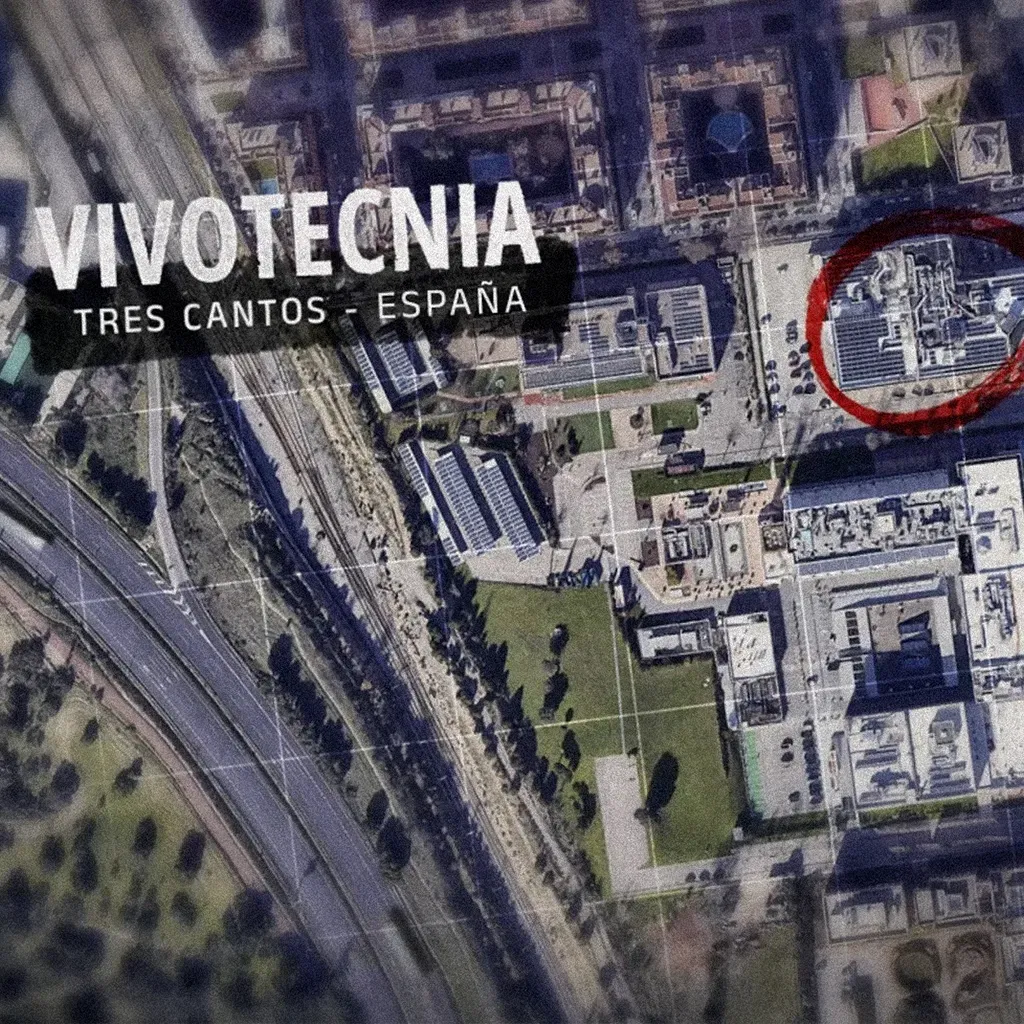
Letters, reports, press cuttings or forensic evidence that viewers read on screen.
Reconstructions
What was never filmed, told through animation in the style of the work.
Case study
Infiltrada en el Búnker
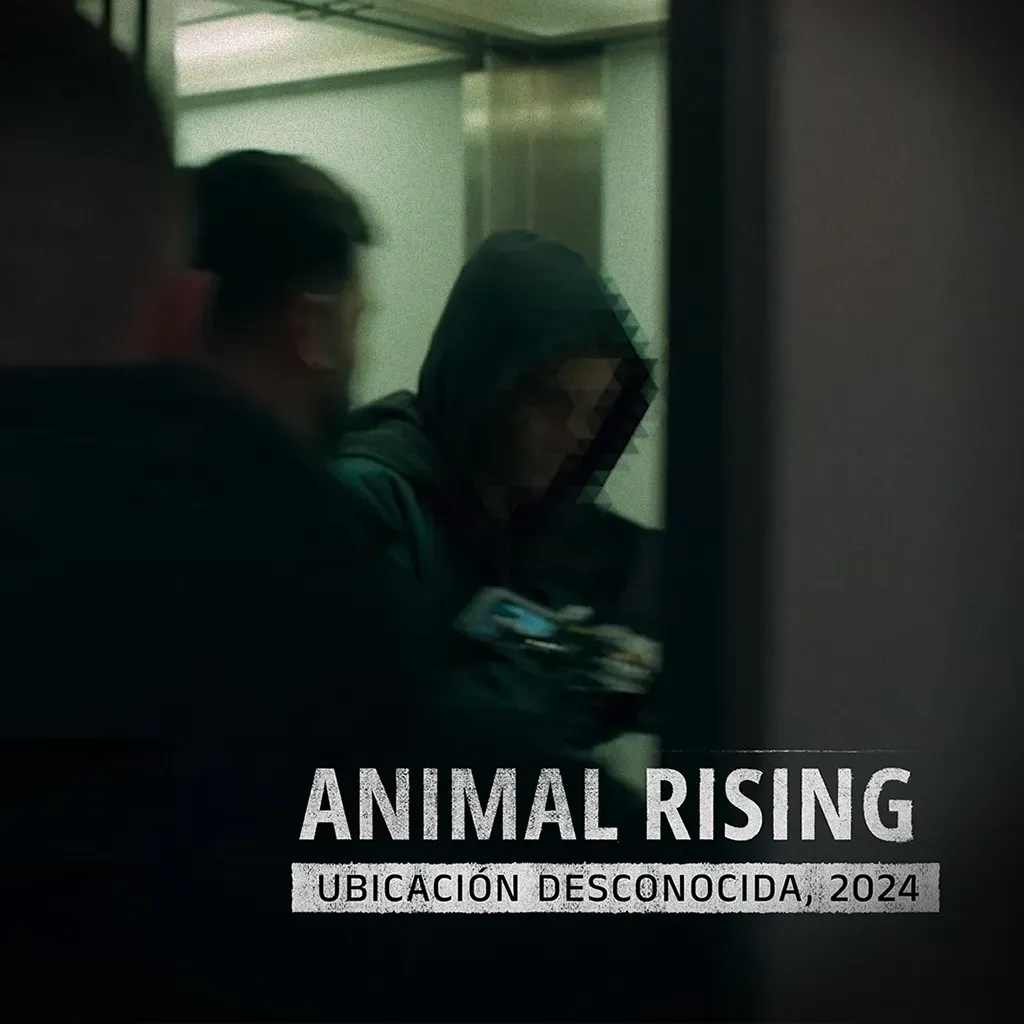
A documentary thriller about the hidden practices of an animal testing laboratory, following the woman who spent two years undercover to expose them.
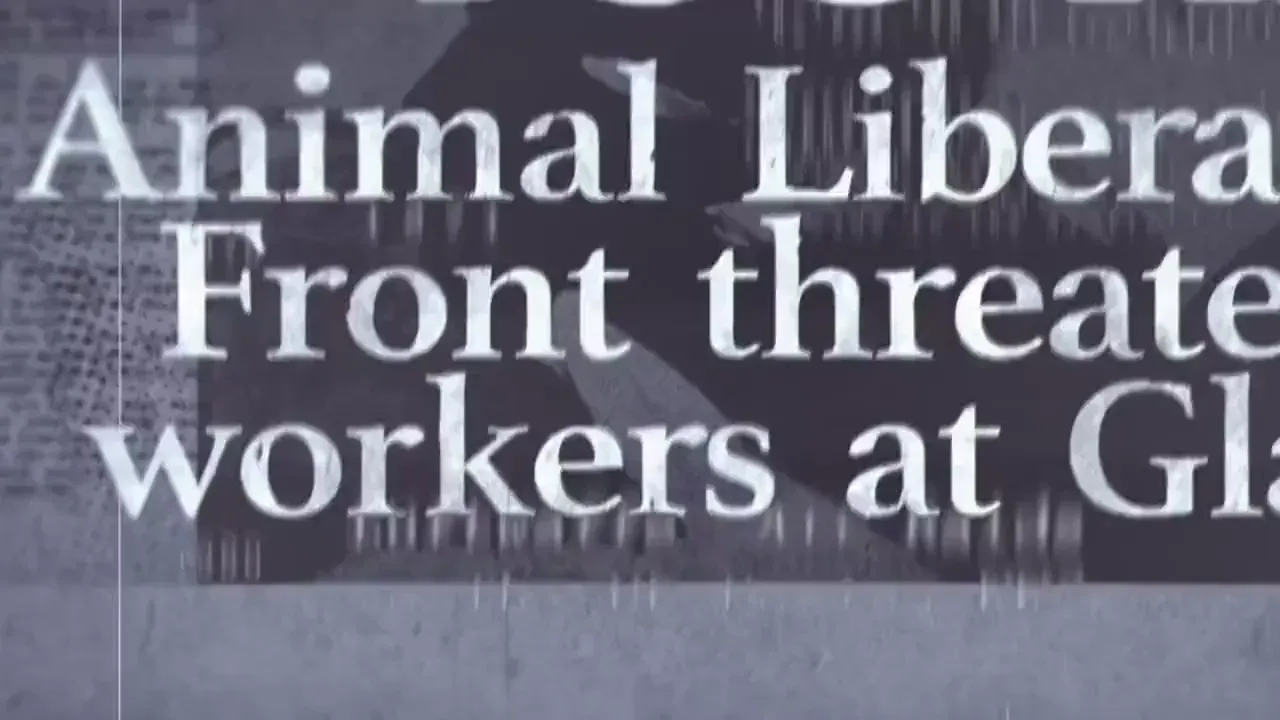
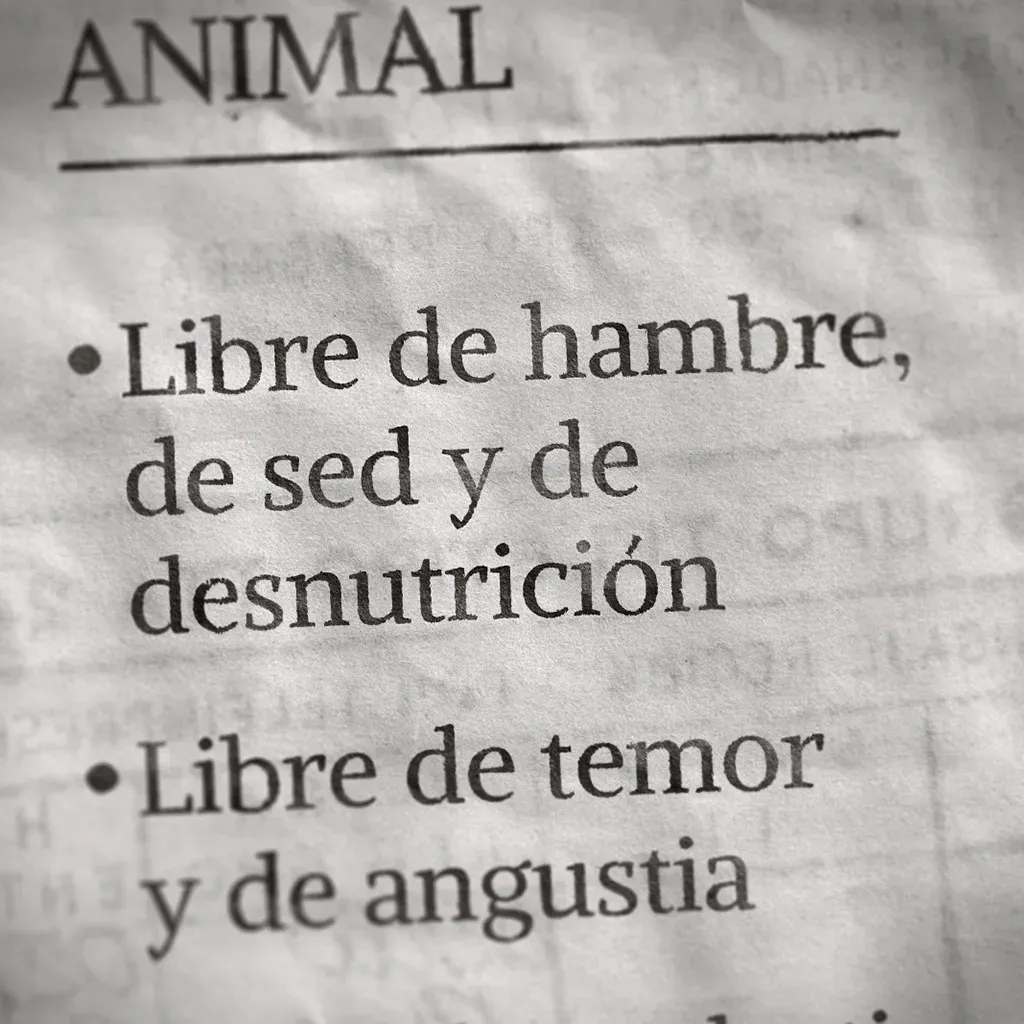
We explored textures, palettes and devices that would convey investigation, infiltration and the cold cruelty of the lab, without sensationalising the violence and with her story at the centre: a graphic language that holds the tension.
- Client
- Fremantle · Amazon Studios
- Project
- Infiltrada en el Búnker

How we work
We work to the production company’s schedules, formats and review rounds, starting from the script or from the first cut.
Start with the briefStep 1: Reading the project
Script, outline or first cut: what the story needs, and at which moments.
You getA proposal of pieces, with the approach and a quote
Step 2: Moodboards and style
Textures, palettes, typefaces and references until we find the language of the work.
You getMoodboards and style frames
Step 3: Graphic system
The title sequence, captions and recurring pieces, designed as one family.
You getThe graphic system for the work
Step 4: Animation and inserts
We animate each piece for its place in the edit.
You getThe pieces for the edit, with their versions
Step 5: Delivery
In the formats the production company or the platform asks for.
You getThe final files
Frequently asked questions
What is a title sequence?
A title sequence is the opening of a series or film: the first seconds of each episode, with the title and often the main credits. It sets the tone of the work before the story begins and is one of the things audiences remember most. It can be animation, typography, live action or a mix of all three.
How long is a title sequence?
There’s no fixed length: it ranges from a few seconds of title on black to openings of more than a minute in series that make the title sequence a piece in its own right. Many platforms let viewers skip it, so it should also work as a short version. The length is agreed with the production company, to suit the tone of the work and the pace of the episodes.
What are film credits?
Credits are the text that recognises the people who made the work. Opening credits are usually built into the title sequence and introduce the main names; end credits list the whole crew. Their design (typography, rhythm and background) is as much a part of the film’s identity as the title sequence itself.
At what point in production do graphics come in?
The earlier, the better. In a documentary it pays to define the graphic style alongside the script or the first cut, so inserts are planned as part of the storytelling rather than as patches. The final pieces are locked once the edit is well advanced.
Do you work with production companies and streaming platforms?
Yes. We designed the graphics for Infiltrada en el Búnker, for Amazon Studios, and for season three of En Guardia, both with Fremantle. We slot into the production company’s pipeline, with its formats, its schedules and its review rounds.
For production companies and agenciesHow much do graphics for a series or documentary cost?
It depends on how many pieces are needed (title sequence, credits, captions, maps, documents), how many episodes there are and how complex the animation is. Send us the script or the first cut and we’ll put together a proposal with a quote.
What are you working on?
Tell us about the project, where it’s at and when you need it. We’ll get back to you and set up a time to talk.
info@isla-studio.com
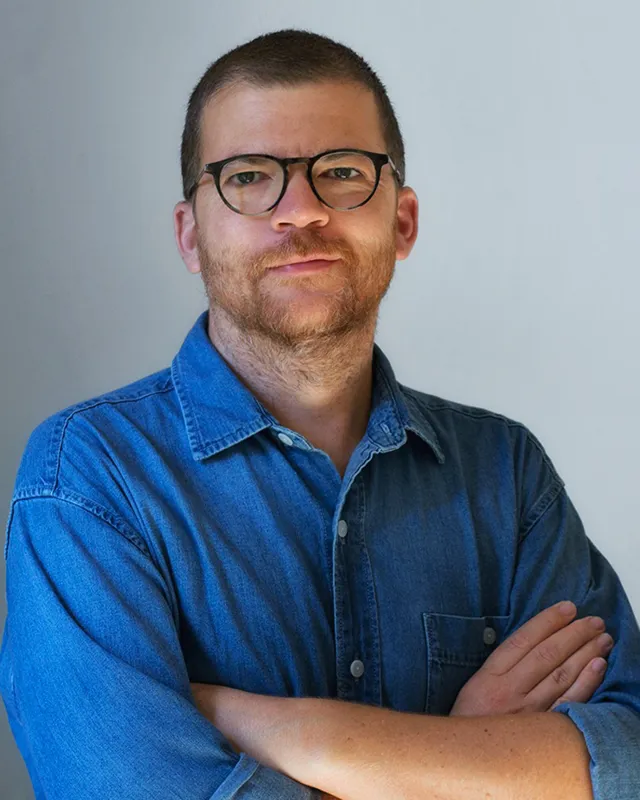
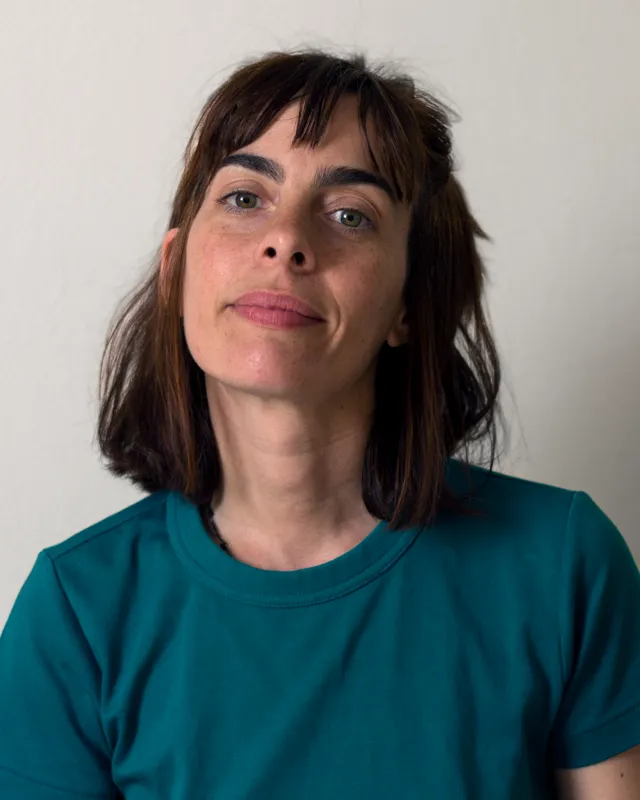

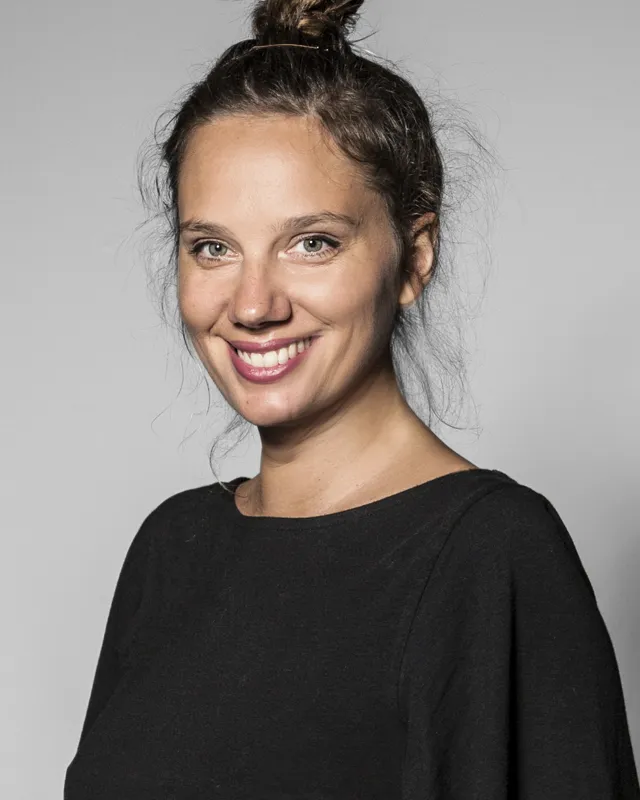
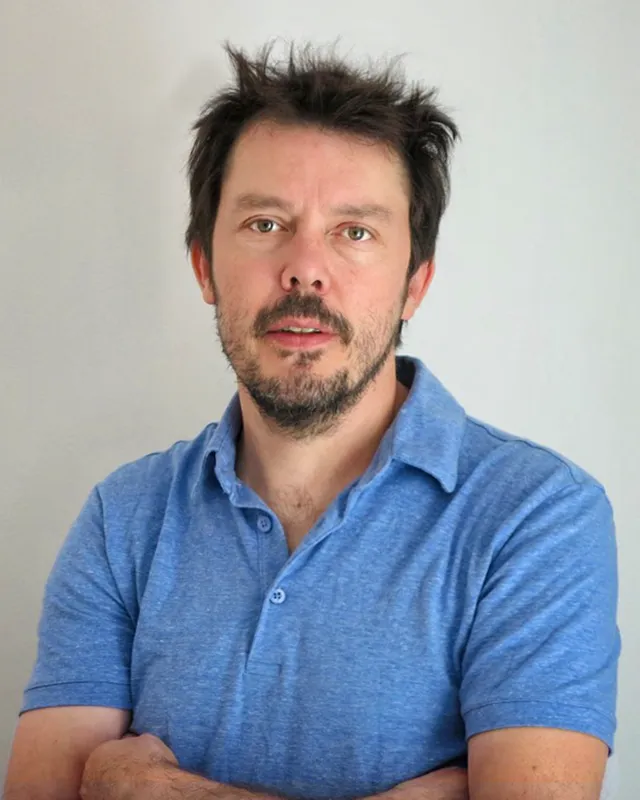
The Isla Studio teamVideo production studio in Madrid